
AC Troubleshooting Before a Repair Callout in Dubai
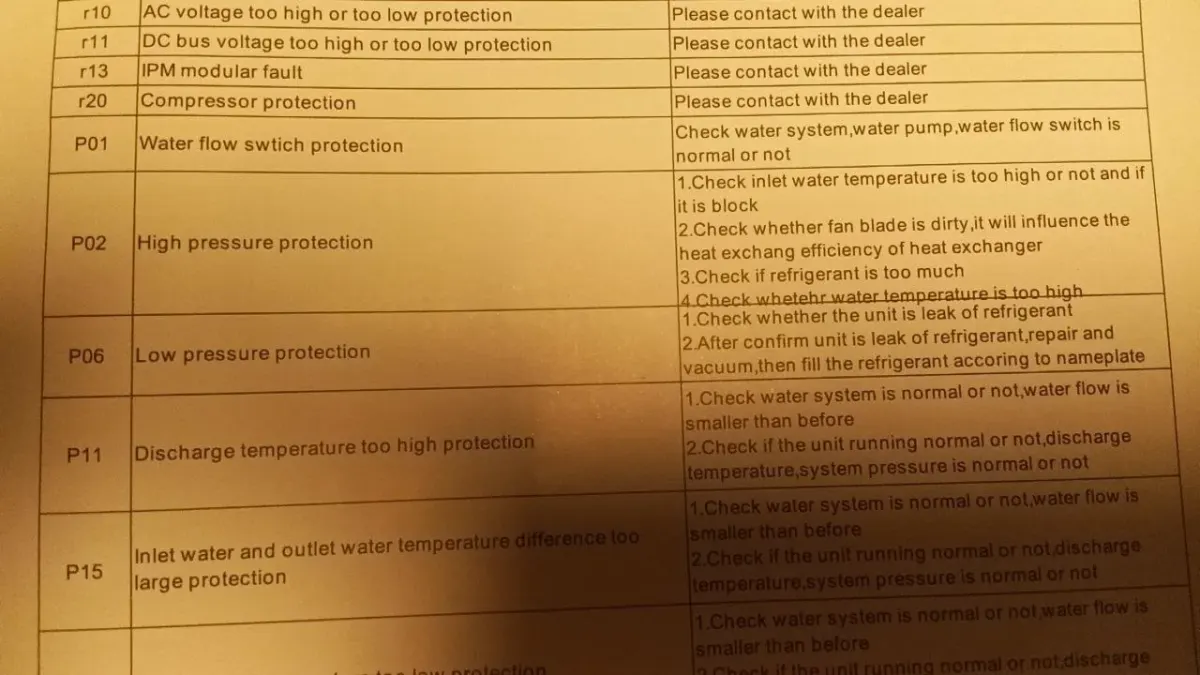
What this page covers
AC Troubleshooting Before a Repair Callout in Dubai
Before booking an AC repair callout in Dubai, note what the unit or controller is showing: an alarm sound, flashing display, error code, room temperature, or live temperature reading.
Some faults may involve sensors, thermistors, connectors, PCB issues, or compressor protection. Basic observation helps, but internal electrical checks should be handled by service personnel.
In brief
- If an alarm is sounding and an error code is flashing, press a key only if needed to stop the buzzer. The code may remain until the fault is repaired.
- Write down the exact code shown, such as J3, P4, sensor error, or memory unit fault, and share it when you request help.
- Do not open covers or touch connectors while the power is on. Power must be switched off before any cover or connector is accessed.
What to do
Start with the information already visible on the AC unit or controller. Check whether the display is switching between a temperature reading and an error code, whether the alarm buzzer is active, and whether the reading is room temperature or another temperature value.
Treat error codes as useful clues, not a final diagnosis. J3 may be linked to discharge pipe or heat exchanger temperature judgement, a disconnected thermistor connector, a faulty thermistor, an outdoor heat exchanger thermistor, or an outdoor unit PCB issue. P4 may point to a radiation fin thermistor fault.
Stop before doing anything that requires opening the unit, removing protective covers, touching connectors, checking pressure, grounding equipment, or replacing a PCB. The safe pre-callout step is to observe the symptoms, write down the code, and send those details on WhatsApp.
What to keep in mind
This guidance is suitable when your AC is running with an alarm, flashing code, unusual temperature reading, or a displayed sensor-related fault. It helps you prepare clear information without attempting internal diagnosis.
This is not a DIY repair guide. Service instructions for these faults include warnings to switch off power before connecting or disconnecting connectors, avoid removing protective covers while powered, and keep compressor equipment properly grounded.
Some faults will not clear just because the buzzer is silenced. An error code may remain until the problem is fixed. If the code points to a sensor, thermistor, connector, PCB, or compressor-related warning, a technician should inspect the unit.