
AC Problems and Symptoms in Dubai
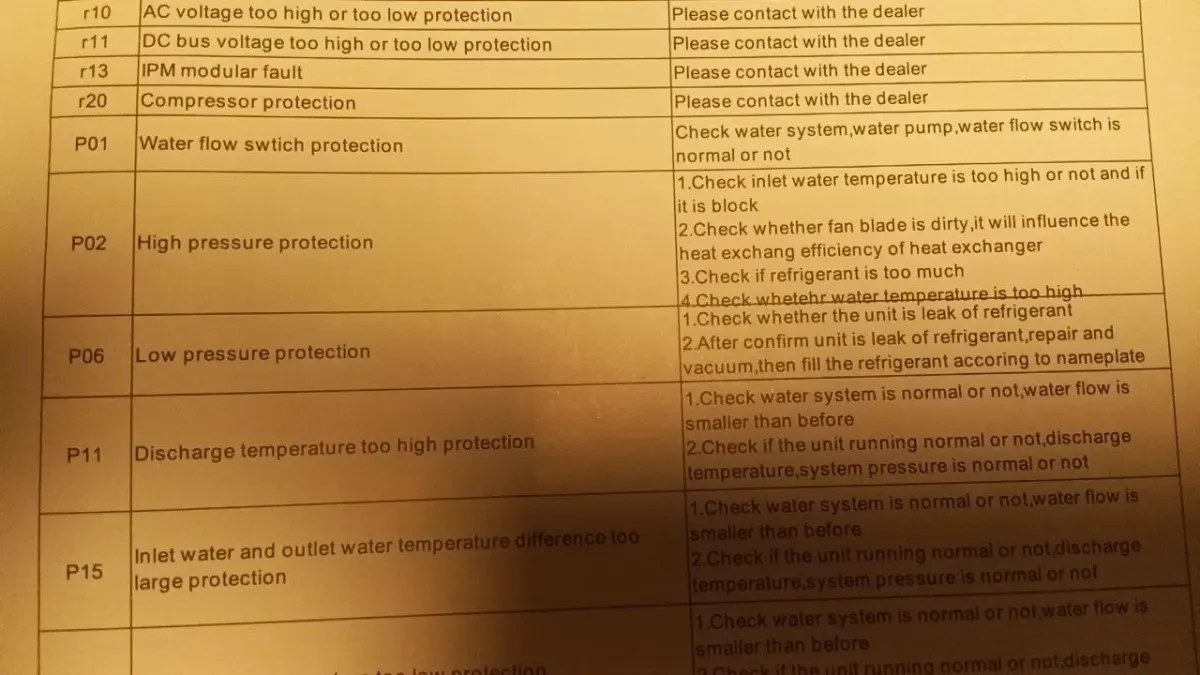
What this page covers
This page covers common AC problems and symptoms in Dubai, from weak cooling and unstable temperatures to alarms, sensor faults, and installation conditions that can affect performance.
Use it as a starting point if your AC is showing an error code, making unusual alarm sounds, responding poorly to settings, or behaving differently after installation or servicing.
Below, you can go to a more specific page to compare AC repair companies in Dubai or follow a focused checklist for an AC unit that is not cooling properly.
What to choose
- Choose the repair companies page if you need help comparing service options after noticing alarms, wiring issues, sensor faults, or other AC problems.
- Choose the not cooling checklist if the main issue is weak cooling, warm air, slow temperature drop, or compressor behaviour that seems unusual.
- Send your AC issue on WhatsApp if you want to describe the symptom directly, such as an error code, alarm, sensor problem, leak concern, or another fault.
Where to go next
The pages below take this topic into practical next steps. One helps you compare AC repair companies in Dubai, and the other focuses on a clear not cooling checklist.
These child pages are useful if you want a more specific route after noticing warning signs such as sensor errors, alarm codes, unusual compressor behaviour, or cooling loss linked to a possible leak.
What matters
- Common fault signals can include buzzing alarms, flashing error codes, and sensor errors that continue until the underlying problem is checked and resolved.
- Performance can also be affected by demanding conditions such as high humidity, condensation, extreme temperatures, dust, water mist, corrosive gases, vibration, or strong electromagnetic interference.
- If a vacuum level does not hold after evacuation, that usually points to a small leak. The leak should be found and repaired before the process is repeated.